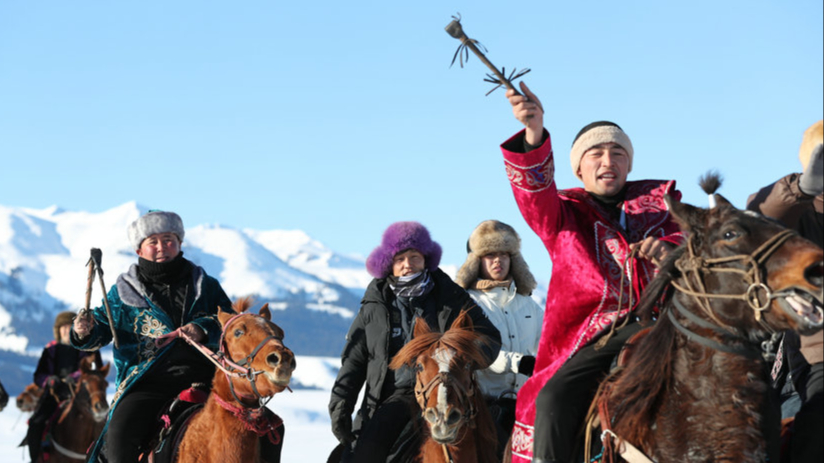
Kazak Ethnic Group
Introduction
The Kazak ethnic group, predominantly residing in Xinjiang Uygur autonomous region, is known for its rich cultural heritage and traditional nomadic lifestyle. Inhabiting vast grasslands, the Kazak people have adapted to a life that is intricately linked with nature, showcasing a vibrant culture that includes traditional dances, sports, and crafts. The community is often seen partaking in activities that highlight their skills and deep connection to their environment, such as the traditional sport of diaoyang or skiing with inventive fur skis.
History
Origins
The Kazaks are traditionally nomadic people whose origins can be traced to the vast steppes and grasslands of Central Asia. Historically, they have been known for their mobility, moving with their herds across these expansive landscapes in search of pasture. This nomadic lifestyle was not only a means of survival but also a cultural hallmark, influencing their social structures, economy, and way of life. The Kazaks' origins are deeply intertwined with their environment, shaping their traditions and customs that have been passed down through generations.
Migration Patterns
Throughout history, the Kazaks have experienced various migration patterns, influenced by environmental, social, and political factors. Their nomadic lifestyle necessitated frequent movement, dictated by the seasons and the availability of resources. This mobility allowed them to adapt to the harsh climates and landscapes of Central Asia. However, over time, external pressures and opportunities have also played a role in their migrations, leading to the establishment of Kazak communities beyond their traditional homelands, particularly in regions like Xinjiang Uygur autonomous region. These movements have contributed to the diversity and richness of Kazak culture as they integrated new influences while preserving their core traditions.
Culture and Traditions
Language and Literature
The Kazak language is a critical component of their cultural identity. It encompasses a rich oral tradition, with storytelling, poetry, and proverbs playing essential roles in transmitting knowledge and cultural values across generations. Kazak literature often reflects the themes of nature, nomadic life, and the struggles and triumphs of their people. The preservation of their language and literature is vital for maintaining their cultural heritage and ensuring the continuity of their traditions.
Music and Dance
Music and dance are fundamental aspects of Kazak culture, serving both as entertainment and as a means of cultural expression. Traditional Kazak music is characterized by the use of string instruments such as the dombra, played during gatherings and celebrations. Dance often accompanies these musical performances, with movements that mimic elements of nature or tell stories of the people's history and way of life. For instance, dances imitating animals like bears and wild geese are performed near places like Barkol Lake, adding to the community's rich tapestry of cultural expression.
Art and Crafts
Kazak art and crafts are a testament to their creativity and deep connection to their environment. Traditional crafts include weaving, embroidery, and the making of yurts, which are not only functional but also hold cultural significance. The intricate designs and patterns found in Kazak textiles and clothing often carry symbolic meanings and are used to convey identity and status within the community. Craftsmanship is highly valued, and skills are typically passed down through generations, ensuring the survival of these traditional arts.
Social Structure
Family and Kinship
The Kazak social structure is traditionally centered around the family and kinship ties, which form the backbone of their community. Extended families often live together or in close proximity, sharing resources and responsibilities. Kinship ties are essential for social organization and support, providing a network that ensures the well-being of individuals and the community as a whole. These familial bonds are celebrated and reinforced during communal events and gatherings, highlighting their importance in Kazak society.
Community Organization
Kazak communities are typically organized around shared resources and collective responsibilities. The nomadic lifestyle historically necessitated close cooperation among community members to manage herds and navigate the challenges of living in challenging environments. Decision-making processes often involve community leaders and elders, who are respected for their wisdom and experience. This communal approach to organization fosters a sense of unity and mutual dependence, which is crucial for the community's success and survival.
Economy
Traditional Livelihoods
Traditionally, the Kazak economy was based on nomadic herding, with livestock such as sheep, cattle, and horses playing central roles in their livelihoods. This pastoral lifestyle required extensive knowledge of animal husbandry, as well as the ability to adapt to the changing seasons and environmental conditions. The skills and practices associated with herding are deeply embedded in Kazak culture, with activities like diaoyang reflecting their historical way of life. These traditional livelihoods continue to be an essential aspect of Kazak identity and economic activity in many regions.
Modern Economic Activities
In recent years, the Kazak community has increasingly engaged in modern economic activities, particularly in sectors such as tourism and hospitality. The natural beauty of regions like the Nalati Grasslands and Altay has attracted tourists, providing new opportunities for economic development. Many Kazaks have embraced these changes by integrating traditional culture into tourism ventures, offering visitors authentic experiences that include traditional food, lodging, and cultural performances. This shift towards modern economic activities has allowed the Kazak community to thrive while preserving their cultural heritage.
Festivals and Celebrations
Festivals and celebrations are crucial components of Kazak culture, serving as opportunities to reinforce community bonds and celebrate cultural heritage. Music, dance, and traditional foods are integral to these celebrations, providing a vibrant expression of Kazak culture. These events are not only important for cultural continuity but also for fostering a sense of identity and belonging within the community.
Cultural Preservation and Promotion
Cultural preservation and promotion are vital for the Kazak ethnic group as they navigate the challenges of modernity and globalization. Efforts to preserve language, literature, and traditional practices are ongoing, supported by both community initiatives and governmental programs. Tourism has become a key avenue for promoting Kazak culture, with cultural performances, traditional crafts, and authentic experiences offered to visitors. These efforts not only support economic development but also ensure that the rich cultural heritage of the Kazak people is celebrated and preserved for future generations.








